24/7 Fire Damage Restoration in Midwest City, OK — We Bill Your Insurance
A fire doesn't stop doing damage when the trucks pull away. In Midwest City, gallons of firefighting water meet Oklahoma humidity, and mold can start growing in 24 to 72 hours. Acidic soot keeps etching brick, plaster and hardwood. Smoke settles into the framing of postwar ranch homes and into small, hot attics. That's why we answer the phone 24/7 and move fast. We board up, pump out water, get drying started and stabilize your home, then bill your insurance company directly. You won't be stuck fronting the cost or arguing line items with an adjuster on your own.
We work in the homes around Tinker Air Force Base every day: the 1940s–60s brick ranches in the Original Mile and Atkinson Heights, duplexes along SE 29th Street, and the same postwar housing next door in Del City. We know how old floor furnaces, Zinsco panels and plaster walls act after a fire. We also know what Red Flag wildfire days do to Choctaw and Harrah, and the care that fine finishes in Nichols Hills call for. The job is to restore your home properly, not just cover up the smell.
- ✓24/7 emergency response, nights, weekends and holidays included
- ✓Direct billing to your insurance company
- ✓Bonded and insured
- ✓Financing available for deductibles and uncovered work
- ✓Fire, smoke, soot and water damage handled by one local crew
- ✓Serving a 20-mile radius around Midwest City
Request Your Free Estimate
No obligation. Fast, honest quotes.
Thank you — your request was sent!
A member of the Midwest City Fire Damage Restoration team will reach out shortly. Need help now? Call (405) 914-5876.
Why Fire Damage in Midwest City Needs a Fast, Local Response
Fire restoration here isn't the same as in Phoenix or Portland. Central Oklahoma's heat, humidity, wildfire weather and postwar housing all affect how fires start, how smoke spreads and how fast secondary damage like mold and structural decay sets in. Here's what we plan around on every job.
Climate: Heat, Cold Snaps, Red Flag Days and Humidity
Midwest City summers usually run in the mid-90s°F, and stretches over 100°F are common. That strains AC compressors, attic wiring and older panels. It also bakes attics, so smoke odor sinks deeper into insulation and rafters. Winter cold snaps into the teens and single digits, like the February 2021 Arctic outbreak, push people toward space heaters, fireplaces and wall furnaces. Those are the classic causes of winter house fires. From late winter into spring, the NWS Norman office issues Red Flag Warnings as dry grass and strong winds build wildfire risk along the eastern Oklahoma County edge. Then there's the water. With about 36 inches of rain a year, a wet May and June, and steady humidity, firefighting water that isn't extracted and dried within 24–72 hours turns into a mold problem.
Built Environment: Postwar Ranches Built for Tinker
Midwest City went up fast starting in the early 1940s as W.P. "Bill" Atkinson's planned community for Tinker workers. Most homes are single-story ranch and minimal-traditional houses with wood framing, brick or wood siding, slab or crawlspace foundations, plaster or early drywall, and original hardwood hidden under carpet. Many still have two-prong ungrounded circuits, Federal Pacific or Zinsco panels, or 1960s–70s aluminum branch wiring, plus gas wall heaters and floor furnaces. Del City, Warr Acres and Bethany have a lot of the same stock. Newer homes in Moore, Choctaw and Harrah have open floor plans and synthetic furnishings, which leave a sticky, plastic-based smoke residue. Each type of home needs a different cleaning approach.
Regulations: Permits, Testing and Historic Rules
Structural, electrical, plumbing, mechanical and roofing repairs after a fire generally need permits. Midwest City, Oklahoma City, Del City, Moore and the other towns each run their own permitting, and unincorporated areas go through Oklahoma or Cleveland County. Trade work has to be done by Oklahoma Construction Industries Board licensees, and roofers must register with the CIB. Pre-1980 homes may contain asbestos in popcorn ceilings, vinyl tile or duct wrap. Under EPA NESHAP and Oklahoma Department of Labor rules, those materials must be tested before demolition. EPA RRP lead-safe rules cover pre-1978 homes. Nichols Hills enforces strict design standards, OKC's historic overlays such as Heritage Hills require Certificates of Appropriateness, and newer subdivisions in Moore and Choctaw often have HOA rules on exterior materials.
Who We Serve: Military Families, Longtime Owners and Renters
Midwest City has about 58,000 residents, and its economy depends on Tinker Air Force Base. Neighbors include active-duty families who move often, civilian DoD workers, contractors and retirees who've owned paid-off homes for decades. With hail and wind claims pushing premiums and deductibles up across Oklahoma, most families can't front thousands of dollars while a claim plays out. That's why direct insurance billing matters so much here. Renters and military households often need fast board-up, contents pack-out and help coordinating temporary housing. And after every big storm, out-of-state contractors show up, so it matters to work with a local crew that's bonded and insured.
Common Fire and Smoke Damage Problems in Midwest City Homes
Each fire leaves its own pattern of damage, depending on what burned, how it was put out and how the house was built. Below are the problems we see most across Midwest City and nearby communities, from emergencies that need a crew tonight to issues that can wait a day. Knowing why they happen helps you act sooner.
Firefighting Water Saturation and Fast Mold Growth Emergency
Fire hoses can put thousands of gallons into a home. That water soaks subfloors, crawlspaces, insulation, drywall and plaster. When it isn't extracted and dried fast, it causes swelling, delamination and mold growth on top of the fire damage.
Why it's common hereCentral Oklahoma humidity slows evaporation, so wet framing in a closed-up, fire-damaged house can stay damp for weeks. A lot of Midwest City and Del City homes sit on crawlspaces that trap moisture under the floor, and original hardwood under carpet cups and buckles fast. A spring fire during the wet May–June stretch is worse, because rain can also come through a damaged roof. Mold can start in 24 to 72 hours, so a slow cleanup can double the size of the claim.
Signs you'll notice- Standing water or soaked carpet after the fire is out
- Musty, earthy smell mixed in with the smoke odor
- Hardwood floors cupping or lifting at the seams
- Drywall or plaster softening, bulging or staining
- Condensation on windows in a closed-up home
- Damp air or puddles in the crawlspace
We see this most in crawlspace ranches in the Original Mile, Atkinson Heights and Del City, and in multifamily buildings near Tinker where water from one unit's fire runs into the units below. Spring storm-season fires with open roofs are the worst cases.
Our fix: Same-day extraction, moisture mapping, commercial dehumidifiers and air movers, crawlspace drying and antimicrobial treatment, with moisture readings documented for your insurance adjuster.
Electrical Fires from Aging Wiring and Panels Serious
These are fires that start in wiring, outlets or electrical panels. They often begin inside walls or attics, where they can smolder unseen, and they leave charred framing and concealed smoke damage that runs well past the visible burn area.
Why it's common hereMuch of Midwest City's housing dates from the 1940s–60s and still has two-prong ungrounded circuits, Federal Pacific or Zinsco panels, and sometimes 1960s–70s aluminum branch wiring. Oklahoma summers over 100°F load these systems with nonstop AC use, while attic temperatures bake the insulation on old wiring. Spring lightning strikes and storm surges add to the risk. When these fires start in a wall cavity or a small attic, smoke can travel through the house before anyone notices.
Signs you'll notice- Charring or scorch marks around outlets, switches or the panel
- Lingering burnt-plastic smell after the fire is out
- Soot streaks coming from outlets or ceiling fixtures
- Discolored or sagging ceiling below the attic
- Breakers that won't reset after the fire
- Smoke odor strongest in closets or interior walls
Common in original postwar homes around Tinker AFB, the Rose State College area and Warr Acres. We also see them in Moore and Choctaw after spring lightning and storm surges hit newer homes.
Our fix: Remove charred materials, check framing integrity, deodorize wall cavities and attics, then coordinate rewiring by CIB-licensed electricians and permit inspections before the walls are closed up.
Winter Heating Fires from Wall Heaters, Floor Furnaces and Fireplaces Serious
These fires start at gas wall heaters, floor furnaces, fireplaces and space heaters. They tend to leave heavy, oily soot around the source, plus scorched flooring, damaged chimneys or flues, and smoke spread through the ductwork.
Why it's common hereCold snaps into the teens and single digits, like the February 2021 Arctic outbreak, push Midwest City households to run every heat source they own. Many postwar homes still have original gas wall heaters and floor furnaces set into wood floors, and fireplaces that haven't been inspected in years. Space heaters near bedding or curtains are another common cause. These fires often happen at night, which is one reason 24/7 response matters so much here.
Signs you'll notice- Black, oily soot fanning out from a heater or fireplace
- Scorched or charred floor around a floor furnace grate
- Soot coming out of HVAC registers in other rooms
- Cracked firebox, damaged flue or stained chimney breast
- Soot webs in corners and on ceilings
Concentrated in Midwest City, Del City, Spencer and Forest Park homes that still use original gas heaters, and in Nichols Hills and The Village homes where older masonry fireplaces see heavy use during cold snaps.
Our fix: Dry and chemical soot removal, HVAC and duct cleaning, structural repair around the heat source, and coordinated mechanical work by licensed trades before the heat goes back on.
Kitchen and Dryer-Vent Fires Moderate
Cooking fires and lint fires in dryer vents are among the most common household fires. They're often contained to one room, but they spread greasy protein residue or lint-fueled smoke well past the point of origin.
Why it's common hereKitchen fires are still a leading cause of house fires everywhere, and the small, enclosed kitchens in Midwest City's 1940s–60s homes concentrate the residue. Protein fires from burned meat leave a nearly invisible, yellowish film with a strong odor that soaks into cabinets and plaster. Dryer vents in older homes often run long, crimped routes through crawlspaces or attics, and lint buildup ignites easily during hot, dry Oklahoma summers.
Signs you'll notice- Yellow or brown sticky film on cabinets and walls
- Strong rancid or burnt-food smell that keeps coming back
- Discolored ceiling above the stove
- Lint scorch marks around the dryer or vent hood
- Smoke odor in bedrooms far from the kitchen
Very common in apartments and duplexes along SE 29th Street and Air Depot Boulevard, where smoke moves between units, and in tract homes in Moore and Choctaw with open kitchen-living layouts.
Our fix: Degrease and clean all surfaces, clean or replace cabinets, deodorize with thermal fogging or hydroxyl treatment, and clean the vent line to remove the source.
Wildfire Smoke and Ash Infiltration Moderate
This is smoke and fine ash from nearby grass or wildland fires getting into a home that never caught fire. It coats HVAC systems, attics, fabrics and surfaces with acidic residue and leaves a lasting campfire smell.
Why it's common hereThe late-winter and spring wildfire season in central Oklahoma brings low humidity, strong winds and dormant prairie grass. Grass fires have reached the urban edge in Choctaw, Harrah and Nicoma Park, and large outbreaks in 2009 and 2025 destroyed homes in the region. Even homes left standing take in smoke through attic vents, soffits and HVAC intakes. Wind-blown red dust mixes with the ash, which makes surface cleaning harder.
Signs you'll notice- Fine gray ash on windowsills, decks and patio furniture
- Smoky odor that gets stronger when the HVAC runs
- Gritty reddish-gray film on floors and counters
- Dark streaks around attic vents and soffits
- Discolored HVAC filters soon after a fire nearby
Concentrated on acreage and newer subdivisions in Choctaw, Harrah and Nicoma Park on the eastern Oklahoma County edge, especially after Red Flag Warning days in February through April.
Our fix: HEPA vacuuming, attic and duct cleaning, filter replacement, surface washing and odor neutralization. We also document everything to support a smoke-only insurance claim.
Soot Etching on Delicate Finishes and Contents Minor
Soot is acidic. Within hours to days it begins to discolor and permanently etch plaster, marble, metal fixtures, glass and fine wood finishes. The longer it sits, the more items go from cleanable to replacement.
Why it's common hereHigher-value 1920s–60s homes in Nichols Hills, The Village and Heritage Hills often have original plaster, custom millwork, antiques and artwork that can't be cleaned with standard methods. Postwar homes across Midwest City have plaster walls and hardwood floors that absorb residue. Wind-blown red dust mixed with soot makes a stubborn film. Without quick, careful cleaning, restorable items get written off and the claim gets more complicated.
Signs you'll notice- Yellowing on light-colored plaster or trim
- Pitting or tarnish on chrome, brass or fixtures
- Hazy, etched glass or mirrors
- Soot smears that spread when you wipe them
- Discolored grout, marble or stone
Matters most in Nichols Hills, The Village and Heritage Hills homes with fine finishes and art, but we see etched fixtures and plaster in Original Mile ranches whenever cleanup is delayed.
Our fix: Test-clean before full treatment, use dry sponges and pH-appropriate cleaners, pack out and clean contents off-site, and inventory every item for your insurance claim.
Fire, Smoke and Water Restoration Services
Most fires cause more than one kind of damage, so we handle all of it as one coordinated project: emergency stabilization, water drying, soot cleaning, odor removal and structural rebuild. You deal with one local crew and one point of contact, and every phase is documented so your insurance company has what it needs.
Fire Damage Restoration ⭐ Specialty
This is full recovery after a fire. We start with 24/7 emergency board-up and tarping, then assess damage, pack out contents, clean, deodorize and rebuild. We bill your insurance directly and keep you updated at every step.
Our approachWe do photo and moisture documentation, room-by-room scope writing, contents inventory and pack-out, and cleaning and deodorization that follows the IICRC S700 fire and smoke standard insurers expect, all coordinated with your adjuster.
In Midwest City, OKIn Midwest City and Del City postwar ranches, we plan around plaster walls, hidden hardwood and possible asbestos in popcorn ceilings or floor tile. For military families near Tinker, we focus on a fast pack-out and timelines that work around PCS moves and temporary housing.
Best for: Homeowners, landlords and renters facing anything from a single-room kitchen fire to a whole-house loss who want one accountable team and help with the insurance claim.
Smoke Damage Remediation ⭐ Specialty
We remove smoke residue and the odor that comes with it from walls, framing, attics, HVAC systems and contents. Covering the smell doesn't fix it. We remove the residue causing it and neutralize what's left.
Our approachWe choose the method for each fire type: thermal fogging, hydroxyl generators, ozone treatment of unoccupied areas, HEPA air scrubbing, duct cleaning and odor-sealing primers on framing that has been cleaned but still smells.
In Midwest City, OKSmall, hot Oklahoma attics and the plaster in older homes hold odor stubbornly. Synthetic furnishings in newer Moore and Choctaw homes leave plastic-based residue. Duplexes and apartments near SE 29th Street need units sealed off so smoke doesn't spread to neighbors.
Best for: Homes with lingering smoke odor, wildfire smoke infiltration, smoke spread from a neighboring unit, or fires contained to one area that left smoke throughout the house.
Soot Removal & Surface Cleaning
We clean soot off ceilings, walls, cabinets, fixtures, floors and belongings before the acidic residue etches them permanently. That saves more of what you own and keeps replacement costs down.
Our approachWe start with dry-sponge soot removal on loose residue, then wet cleaning matched to the soot type (dry, oily, protein or synthetic), HEPA vacuuming, and gentle off-site cleaning for electronics, textiles and delicate contents.
In Midwest City, OKWind-blown red dust mixed with soot is a uniquely Oklahoma problem. We adjust our cleaning chemistry for it. In Nichols Hills and The Village, we test-clean fine plaster, millwork, antiques and artwork before full treatment.
Best for: Light to moderate fires, protein residue from kitchen fires, ash infiltration from wildfires, and homes with fine finishes or valuable contents worth saving.
Structural Fire Restoration
We repair and rebuild fire-damaged structures, including framing, drywall, plaster, roofing, flooring and finishes, and we coordinate the permits and licensed trade work needed to bring your home back to code.
Our approachWe remove charred materials, assess the framing, and test for asbestos and lead before demolition in older homes. We coordinate with CIB-licensed electricians, plumbers and HVAC contractors and pull permits with the right city or county office.
In Midwest City, OKMidwest City, Del City, Moore and Oklahoma City each run their own permitting. Heritage Hills requires a Certificate of Appropriateness for exterior changes, Nichols Hills enforces strict design standards, and Choctaw and Moore HOAs often regulate exterior materials. We work through these approvals with you.
Best for: Fires that burned through framing, roofs or walls, homes ordered secured as unsafe structures, and rebuilds that need permits, inspections or historic and HOA approvals.
Water Mitigation Services
We extract firefighting water and dry the structure quickly to stop mold, warped floors and rot before they set in. This is often the most urgent step in the first 24 hours after a fire.
Our approachWe use truck-mounted and portable extraction, moisture meters and thermal imaging, commercial dehumidifiers and air movers, crawlspace drying, and antimicrobial treatment. Drying follows the IICRC S500 water damage standard, with daily readings logged.
In Midwest City, OKCentral Oklahoma humidity and the crawlspace foundations common in Midwest City and Del City slow drying. Mold can start within 24–72 hours. Storm-season fires with open roofs need tarping and drying at the same time.
Best for: Any home where firefighters used hoses, along with storm-related fires with roof openings and multifamily buildings where water reached the units below.
Our Fire Restoration Process, From First Call to Final Walkthrough
Here's what happens after you call. The goal is to stop secondary damage fast, keep your insurance claim moving, and keep you informed until your home is ready to live in again.
24/7 Emergency Call and Rapid Dispatch
- Talk to a real person about the situation and any safety concerns
- Get guidance on what to touch, what to leave and what to grab
- Collect your insurance carrier and policy details so we can start direct billing
- Dispatch a crew to your property
Local note: After severe storms or Red Flag wildfire days, demand across the metro spikes. Because we're local and based in Midwest City, we're nearby when out-of-town crews are still on the road.
Secure the Property and Stop the Water
- Board up windows and doors and tarp roof openings
- Extract standing firefighting water
- Set up dehumidifiers and air movers to begin drying
- Photograph and document all damage before work begins
Local note: Fast drying is critical in Oklahoma's humidity. Mold can start within 24–72 hours, especially in crawlspace homes.
Assessment, Testing and Insurance Scope
- Inspect structure, attic, HVAC and contents room by room
- Order asbestos and lead testing for pre-1980 homes before any demolition
- Write a detailed scope and share it with your adjuster
- Inventory and pack out contents for off-site cleaning or storage
Local note: Many Midwest City, Del City and Warr Acres homes date from the 1940s–60s, so testing for popcorn ceilings, vinyl tile and duct wrap is standard here.
Cleaning, Deodorizing and Drying
- Remove soot from surfaces, framing and contents
- Clean ductwork and replace HVAC filters
- Deodorize with thermal fogging, hydroxyl or ozone treatment
- Apply sealing primers to cleaned framing
- Confirm dry readings before any rebuild begins
Local note: We adjust cleaning chemistry for soot mixed with red dust, and we take extra care with fine finishes in Nichols Hills and The Village homes.
Rebuild, Inspections and Final Walkthrough
- Pull permits with the right city or county office
- Coordinate licensed electrical, plumbing, HVAC and roofing work
- Repair framing, drywall, plaster, flooring and finishes
- Return cleaned contents and walk through the home with you
Local note: Historic overlays, Nichols Hills design rules and HOA standards in Moore and Choctaw can add approval time. We build that into the schedule from day one.
Why Midwest City Homeowners Call Us After a Fire
24/7 Emergency Response, Because Hours Matter
Fires don't keep business hours. Heater fires happen on freezing nights, and storm fires happen in the middle of a severe weather outbreak. We answer around the clock and send a crew to board up, tarp and start pulling water out. Speed matters because secondary damage is often worse than the fire itself. Wet framing in Oklahoma humidity can grow mold in 24–72 hours, and acidic soot starts etching surfaces right away. Getting there fast keeps a manageable claim from turning into a major rebuild.
We Bill Your Insurance Directly
With Oklahoma's hail and wind claims driving premiums and deductibles higher, most families can't front thousands of dollars while they wait for a check. We work with your insurance company directly. We document the damage, write a detailed scope, communicate with your adjuster and bill the carrier, so you're not stuck in the middle. You stay responsible for your deductible and anything your policy doesn't cover, and we'll tell you about those costs up front.
Fire, Smoke and Water Handled by One Crew
Most Midwest City fires leave three problems at once: burned materials, smoke residue throughout the house, and gallons of firefighting water. Bringing in separate companies for each one causes gaps, delays and finger-pointing with your insurer. We handle water mitigation, soot removal, smoke odor treatment and structural restoration as one coordinated project. Drying gets confirmed before rebuild starts, and odor work happens before walls are sealed. Nothing falls between contractors.
Local Knowledge of Postwar Homes and Fine Finishes
We know Midwest City's housing: the brick ranches Atkinson built for Tinker workers, crawlspaces that hold moisture, plaster that holds smoke, hardwood hiding under carpet, and old floor furnaces and Zinsco panels. We also know newer tract homes in Moore and Choctaw where synthetic furnishings leave sticky residue, and the delicate plaster, millwork and artwork in Nichols Hills and The Village. We match the cleaning method to the house in front of us.
Bonded and Insured, and Not a Storm Chaser
After every big Oklahoma storm, out-of-state crews show up, take deposits and leave. We're a local Midwest City company, and we're bonded and insured. That protects you if something goes wrong on your property. We'll still be here after the job is done, and we coordinate permits and licensed electrical, plumbing and HVAC work the right way so your rebuild passes inspection.
Help for Military Families, Renters and Landlords
Tinker AFB families often run on tight schedules around deployments and PCS moves. Renters and landlords in duplexes and apartments along SE 29th Street and Air Depot Boulevard need fast answers about who handles what. We do quick contents pack-out, clear documentation for renters' and landlords' policies, help coordinating temporary housing, and steady communication so everyone knows where the project stands.
Transparent Pricing and Financing Options
You'll see a written scope before work begins, with the same line items your adjuster reviews. If you have a deductible, upgrades or work your policy won't cover, we tell you up front instead of surprising you at the end. Financing is available, which helps longtime homeowners and moderate-income families handle out-of-pocket costs without putting off repairs that keep damage from spreading.
A Local Fire Restoration Team You Can Trust
Bonded • Insured • Financing available
Fire Damage Restoration Across the Eastern OKC Metro
We're based in Midwest City and cover a 20-mile radius, from the Tinker AFB neighborhoods to the acreage on the eastern edge of Oklahoma County and the established communities across Oklahoma City. Being local means faster arrival when every hour counts.
Midwest City and the Tinker Corridor
Eastern Oklahoma County
Central, Northwest and South Metro
We serve all of these communities within our 20-mile service radius around Midwest City, including unincorporated parts of Oklahoma and Cleveland Counties. If you're not sure whether your address is covered, call us and we'll tell you right away. Not sure if we cover your area? Call (405) 914-5876.
What Fire Damage Restoration Costs in Midwest City
Most fire restoration is paid through a homeowners or renters insurance claim, so what you actually pay is usually your deductible plus any uncovered items. Total project costs vary a lot depending on how far the damage spread and how long it sat before cleanup started.
Extent and Spread of Damage Primary Factor
A stovetop fire contained to the kitchen costs far less than a fire that reached the attic or spread smoke through the ductwork. Square footage affected, the number of rooms with residue, and whether framing burned all drive the scope. In small postwar Midwest City homes, smoke often reaches every room even when the flames stayed in one, so whole-house cleaning is common.
Water Damage and Drying Time Primary Factor
Firefighting water adds extraction, equipment rental days, crawlspace drying and possibly flooring replacement. Oklahoma humidity can stretch drying to several days. If drying is delayed and mold starts, remediation costs climb fast. That's the main reason fast response saves money. Equipment usually runs three to five days, and longer for saturated crawlspaces or wet plaster.
Asbestos and Lead Testing Secondary Factor
Pre-1980 homes in Midwest City, Del City, Warr Acres and Bethany may contain asbestos in popcorn ceilings, vinyl tile or duct wrap, and pre-1978 paint may contain lead. Testing typically adds a few hundred dollars and some days to the schedule. If abatement by a licensed contractor is needed, costs rise further, but it's legally required before demolition.
Materials, Finishes and Contents Secondary Factor
Cleaning synthetic residue in newer Moore or Choctaw homes costs differently than restoring original plaster and hardwood. Higher-end finishes, custom millwork, artwork and antiques in Nichols Hills or The Village need specialized cleaning and careful handling. Contents pack-out, off-site cleaning and storage are often a big part of the total.
Permits, Trades and Approvals Additional Factor
Structural rebuilds need permits plus licensed electrical, plumbing and HVAC work. Upgrading old Zinsco or Federal Pacific panels and ungrounded wiring to current code adds cost, though policies with code-upgrade coverage may pay for some of it. Historic overlays and HOA review can extend timelines.
| Typical project | Details | Estimated range |
|---|---|---|
| Wildfire smoke infiltration, no fire inside | Choctaw or Harrah acreage home, about 2,000 sq ft; HEPA cleaning, duct cleaning, attic treatment, odor removal | $2,500 – $8,000 |
| Contained kitchen fire with smoke throughout | 1950s Midwest City ranch, about 1,200 sq ft; soot cleaning, cabinet replacement, deodorization, light water drying | $8,000 – $25,000 |
| Heater or electrical fire with firefighting water | Del City or Warr Acres home, 2–3 rooms burned; water mitigation, asbestos testing, framing and drywall repair, rewiring, whole-house odor treatment | $30,000 – $75,000 |
| Major structural fire | Large or high-end home in Nichols Hills or Moore; roof and framing rebuild, full contents pack-out, fine-finish restoration, permits | $100,000 – $300,000+ |
Financing is available to help with deductibles, code upgrades and work your policy doesn't cover. Ask about options during your assessment. Fast mitigation is the cheapest part of any fire job. Spending on extraction and drying in the first 24–72 hours often prevents mold remediation, floor replacement and structural repairs that can add thousands to the final bill.
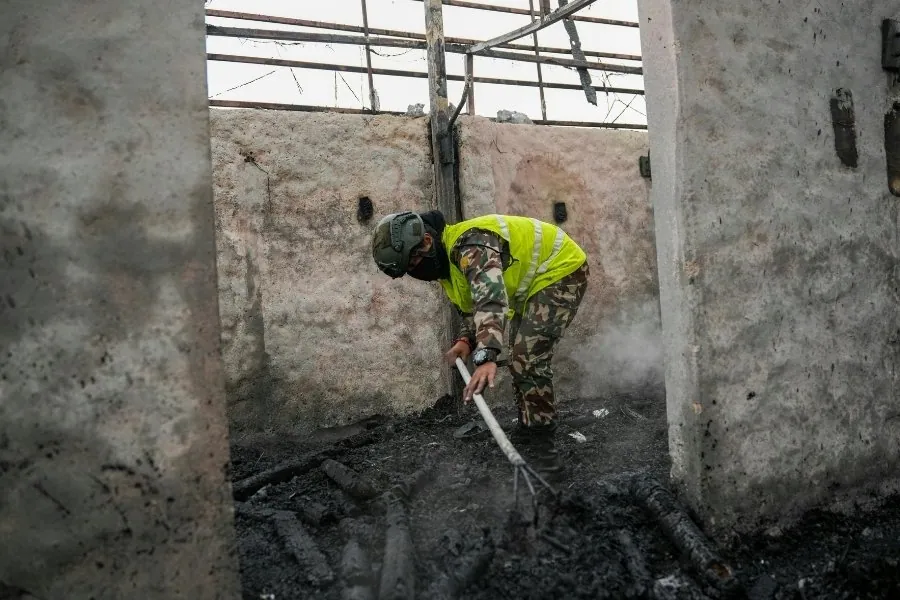
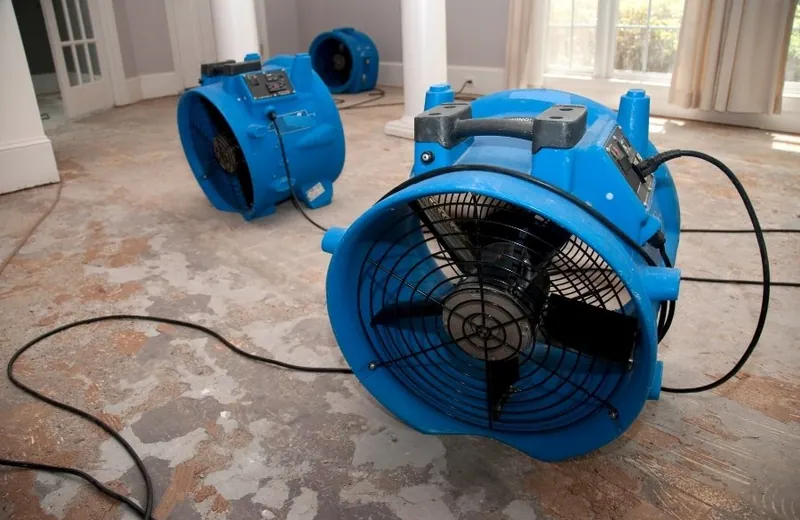
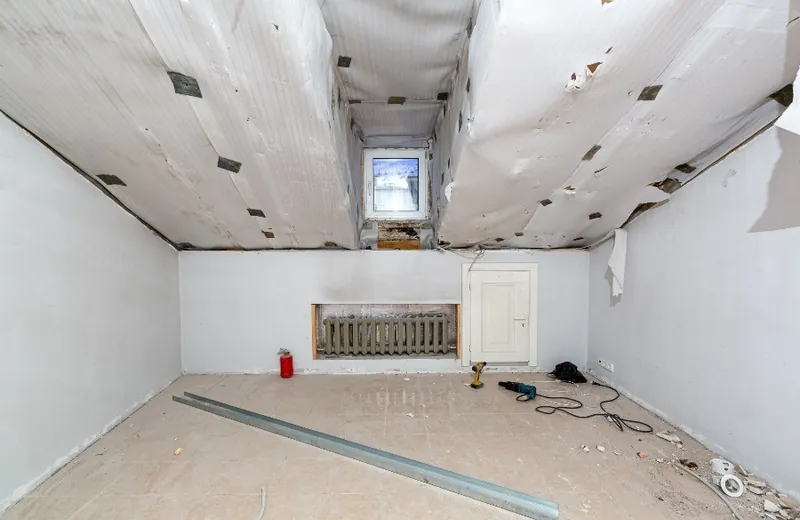
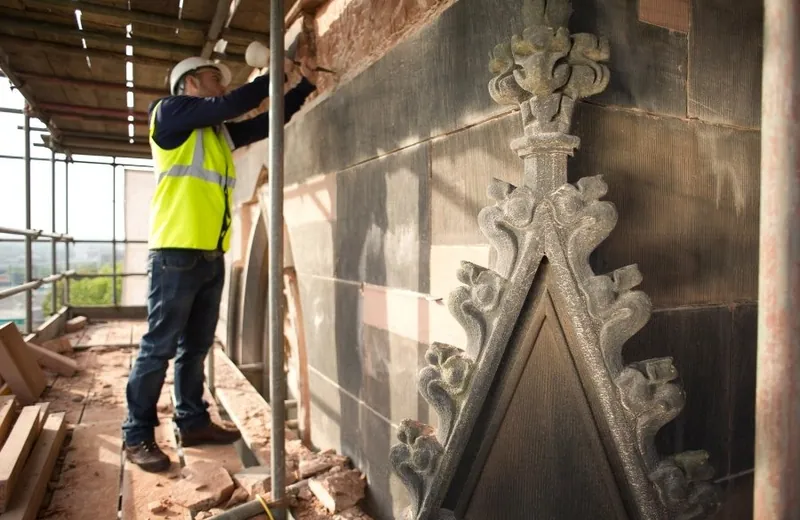
Recent fire-damage-restoration Projects in Midwest City, OK
Fire Damage Restoration FAQs for Midwest City Homeowners
How much does fire damage restoration cost in Midwest City, and will insurance pay for it?
It ranges from a few thousand dollars for smoke-only cleaning to $100,000 or more for major structural fires. A contained kitchen fire in a typical Midwest City ranch often lands between $8,000 and $25,000. Most homeowners and renters policies cover sudden fire damage, including smoke, soot and firefighting water. We bill your insurance company directly and work with your adjuster on the scope, so you're usually responsible only for your deductible and anything your policy excludes. Financing is available for those out-of-pocket costs.
How fast do I need to act after a fire?
Right away, ideally within the first 24 hours. Soot is acidic and starts discoloring and etching surfaces within hours. Firefighting water combined with central Oklahoma humidity can start mold growing in 24 to 72 hours, especially in crawlspace homes common in Midwest City and Del City. Delays also make insurance claims harder, because carriers expect you to take reasonable steps to prevent further damage. Call us 24/7 as soon as the fire department clears the property, and we'll board up, tarp and start drying.
How long does fire damage restoration take?
Emergency board-up and water extraction happen in the first day. Cleaning, deodorizing and drying usually take one to three weeks for moderate fires. Structural rebuilds can take several weeks to a few months, depending on scope, permit approvals, asbestos testing in older homes, and insurance approvals. Historic overlays in Heritage Hills, Nichols Hills design standards, or HOA review in Moore and Choctaw can add time. We give you a realistic schedule after the assessment and update you as the project moves.
Do fire repairs need permits in Midwest City and nearby towns?
Yes, generally. Structural, electrical, plumbing, mechanical and roofing repairs after a fire usually need permits from the local building inspection or community development office. Midwest City, Oklahoma City, Del City, Moore and the other towns each handle their own permits, and unincorporated areas go through Oklahoma or Cleveland County. Trade work must be done by Oklahoma Construction Industries Board licensees. Pre-1980 homes may also need asbestos inspection before demolition. We coordinate the permits and licensed trades so the rebuild passes inspection.
Can smoke odor really be removed, or will my house always smell?
It can be removed when the residue causing it is cleaned out, not just masked. Smoke gets into plaster, framing, insulation, ductwork and the small attics common in Midwest City homes. We clean surfaces and ducts first, then use thermal fogging, hydroxyl generators or ozone in unoccupied areas, and seal cleaned framing with odor-blocking primer before closing walls. Air fresheners and paint alone almost always fail, and the smell comes back on hot Oklahoma summer days.
Should I clean up soot myself before you arrive?
No. Wiping soot with household cleaners usually smears it deeper into paint, plaster and fabrics and can make permanent stains. Soot can also contain harmful particles, and older homes may have asbestos-containing materials that shouldn't be disturbed. Safe steps include opening windows if it's safe, changing your HVAC filter, keeping the system off, photographing the damage, and saving receipts for emergency expenses. Leave the cleaning to us so we can document conditions for your claim.
How can I reduce fire risk in an older Midwest City home?
Start with the heat sources and wiring. Have an electrician inspect Federal Pacific or Zinsco panels, two-prong ungrounded circuits and any aluminum branch wiring. Get gas wall heaters, floor furnaces and fireplaces serviced before winter cold snaps, and keep space heaters three feet from anything flammable. Clean dryer vents yearly and never leave cooking unattended. In Choctaw, Harrah and Nicoma Park, clear dry grass and debris away from your home before the late-winter Red Flag season.
What happens if I'm a renter or live in a duplex or apartment?
Your landlord's policy usually covers the building, and your renters policy covers your belongings and temporary living costs. Smoke often spreads between units in duplexes, apartments and manufactured homes near Tinker and along SE 29th Street, so neighboring units may need cleaning too. We document damage clearly for each policy, pack out and clean your contents, and help coordinate temporary housing. Military families can count on quick communication that works around their schedules.
Serving Midwest City, OK & Nearby
Had a Fire? Call Now to Stop the Damage From Spreading
Every hour you wait gives soot more time to etch surfaces and firefighting water more time to grow mold. Call us day or night. We'll secure your home, start drying and handle the insurance billing.
- ✓24/7 emergency response and board-up
- ✓Direct billing to your insurance company
- ✓Same-day water extraction and drying to prevent mold
- ✓Soot removal and real smoke odor removal
- ✓Contents pack-out, inventory and off-site cleaning
- ✓Coordinated permits and licensed trade repairs
- ✓Bonded and insured, with financing available
⚡ Once the fire department clears your property, call us immediately. We answer 24/7, including nights, weekends and holidays.
Bonded • Insured